It seems to me that this is a time in history when differences in opinion easily escalate into polarization and from that to destructive behaviour. This is not a new pattern, though it seems to be happening more often and with wider implications: at least it is more visible. Perhaps a story of how behaviour like this was resolved in the past is useful.
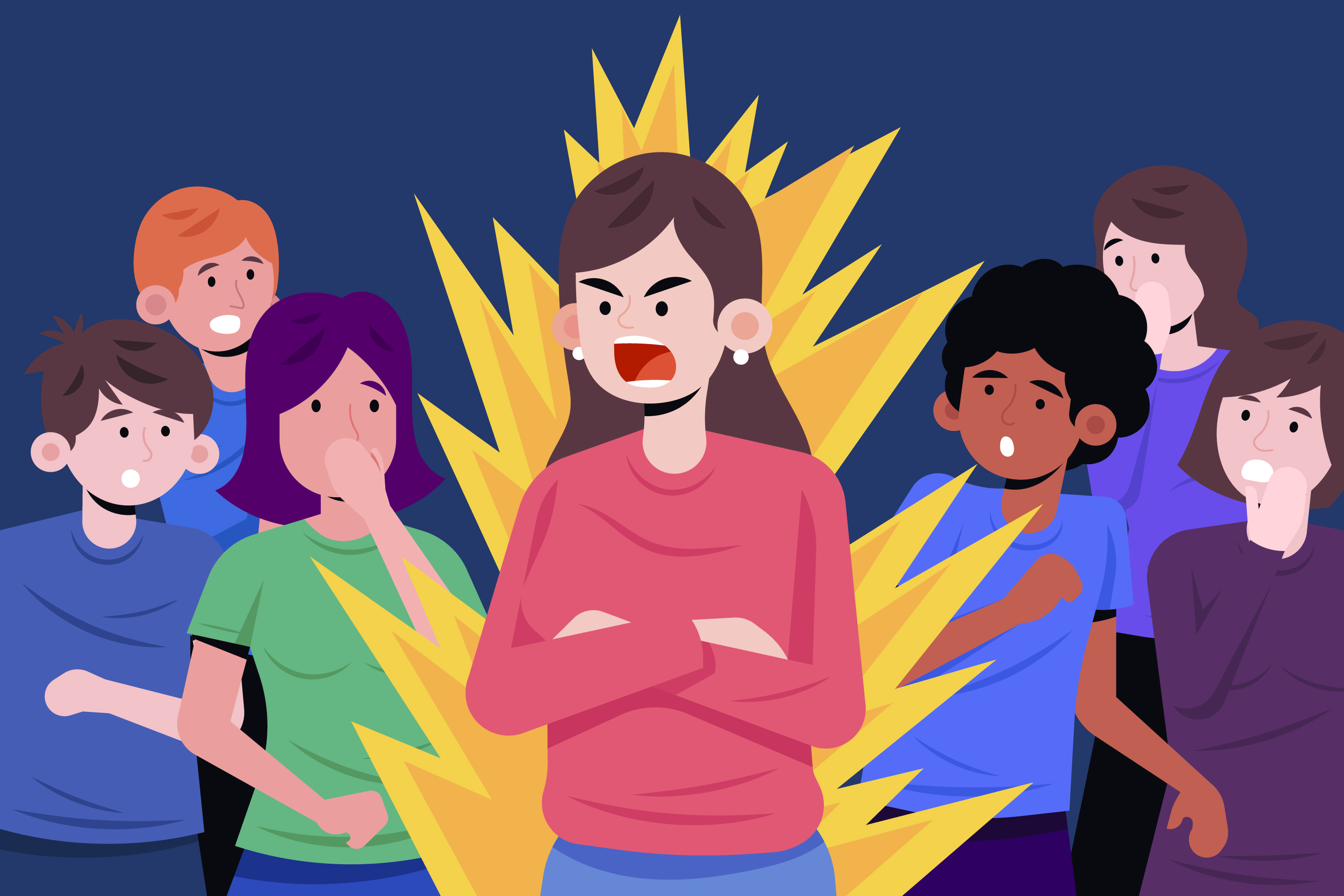
A number of years ago, a large school district had recently been created by a merger of smaller boards. The merged board was having serious problems working together. Board members who had been prominent in their different smaller boards no longer had the power they were used to. Two particular members continually attacked each other verbally, including on live broadcasts of their meetings. The public was fast losing confidence in the board. Other board members were upset about the behaviour but couldn’t get it to stop.
One board member asked me to come in and facilitate a board retreat, with the aim of dealing with the conflict and also tackling a thorny issue. The retreat was held in a remote area, out of the public eye.
The first session, on the first afternoon, went quite well. They sat around a big table and created a common vision of what they wanted this new school board to be, using the consensus workshop method.
But immediately afterward, the conflict showed signs of re-emerging, so I was asked to directly address the conflict.
I dropped my original plans and moved the group to a more comfortable space, with couches and comfortable chairs where they could sit in something approximating a circle. My intention was to lead a focused conversation on previous events, to reveal the underlying contradictions to the behaviours. (I was aware that the natural human response of coming up with a vision usually leads to surfacing obstacles.)
To surface the objective level, I asked people to recall events that had happened in recent board meetings, and describe them. We got about halfway around the circle before the two board members began arguing with each other and calling each other names, and other board members started to shout, too. So I basically stomped my foot, made them stop, and said “This is happening again. Let’s take some time to debrief this event.”
I asked all the participants except the two to name what they had seen and heard just now in this very event. Then I asked each of the two to say one at a time what they had just heard and seen. I asked then what upset people about what had happened (the others first, and then the two), and what they were ok with. For the next question, I took out a marker and started taking notes on a flipchart as we went around the room to answer. “What might be some of the root causes of this behaviour?” I stressed that this question was looking for something more like the roots of a dandelion than the visible leaves, and that there were no wrong answers. There was a long list. Finally they intuitively clustered the list of root causes and named the underlying contradictions behind them. The last question was “What are some things we might we do to deal with these contradictions?” There were a few answers, but I left them to think about these overnight.
The evening was the usual kind of evening of a corporate retreat – food and drinks, sitting near a fire in a fireplace…. Nothing overt going on.
The next morning we did a workshop on ways to solve a particularly thorny issue about equity between the parts of the region that had been caused by the merger. To my surprise, there was no visible conflict. When we broke into pairs to brainstorm ideas, the two adversaries actually worked together and came up with some common ideas! And the results of the workshop were valuable options to solve the issue.
For many years after that event, there was no publicly visible animosity between board members. I’m sure there was plenty of disagreement, but the board was able to work together in a healthy way.
I think the keys to this were ToP methods: the Working Assumptions (which are described in another post), the Consensus Workshop Method that allowed all the voices to be heard and incorporated into the results, and the Focused Conversation Method which allowed people to analyze the behaviour in a thoughtful and respectful manner.
For more information on ToP methods, look for the Institute of Cultural Affairs (ICA) in your country, or http://ica-associates.ca or https://www.icacan.org/ in Canada.


 Jofacilitator
thanks for the stories Jo.
LikeLiked by 1 person